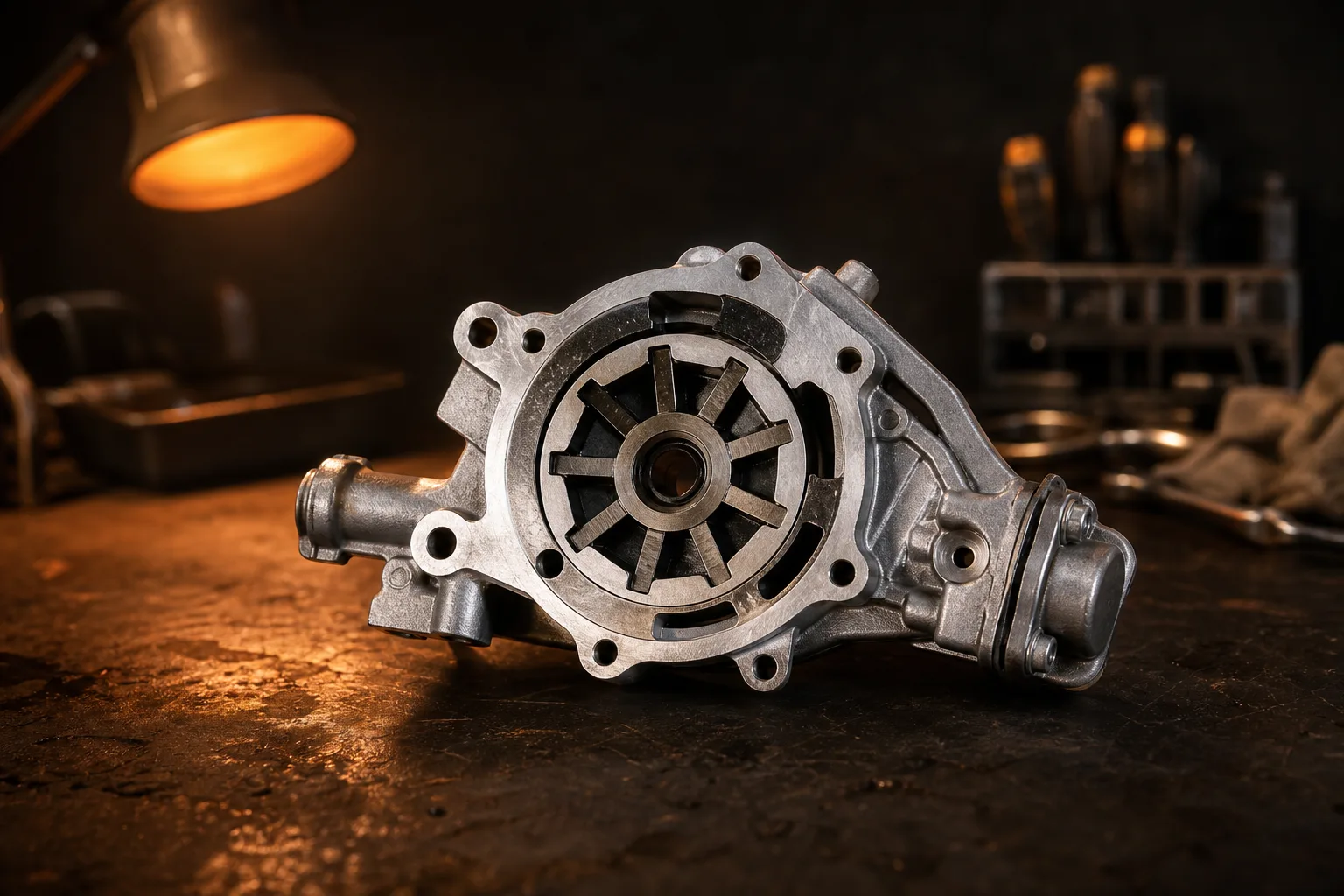
Variable displacement oil pumps adjust output based on engine demand, improving efficiency at low RPM while maintaining adequate pressure under load. When the control mechanism sticks or internal clearances wear beyond specification, pressure behavior becomes unpredictable — often long before a dashboard warning appears.
Common Symptoms Owners Notice First
Low oil pressure at idle combined with normal readings at highway speed is a classic pattern. Owners may also report lifter tick on cold starts, erratic pressure gauge movement, or bearing-related noise that disappears briefly after an oil change because fresh oil temporarily masks internal wear.
- Pressure drops below specification at warm idle
- Fluctuating gauge readings during steady cruise
- Metallic tick that fades as engine temperature rises
- Repeated low-pressure codes after oil and filter service
Pressure Testing Methodology
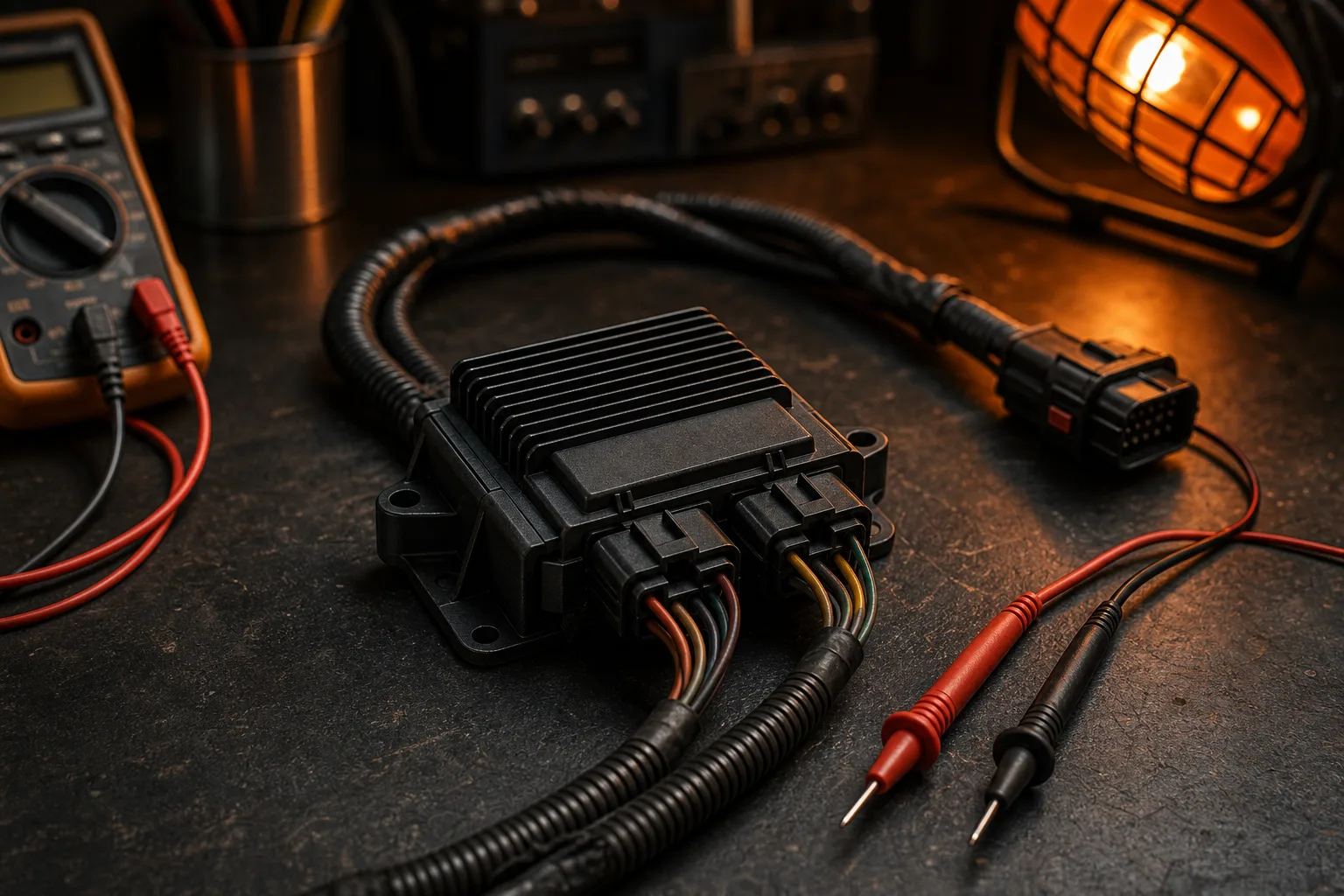
A mechanical gauge connected at the standard test port provides baseline data hot and cold. We compare readings at idle, 2000 RPM, and 4000 RPM against manufacturer specifications for the specific engine family. Electronic gauge data alone can lag or filter spikes that a mechanical gauge reveals immediately.
Hot vs. Cold Comparison
Testing both cold-start and fully warm conditions matters because stuck vanes or worn control valves behave differently across temperature ranges. A pump that passes a cold test may fail under hot oil viscosity conditions typical of summer driving in Texas traffic.
Failure Modes Across Model Years
Early designs suffered from control solenoid contamination; later revisions introduced different vane geometries that wear at the housing contact points. Debris from neglected timing chain tensioners can score pump internals, and incorrect sealant use during prior repairs often blocks oil passages inside the pump cavity.
Replacement and Reassembly Considerations
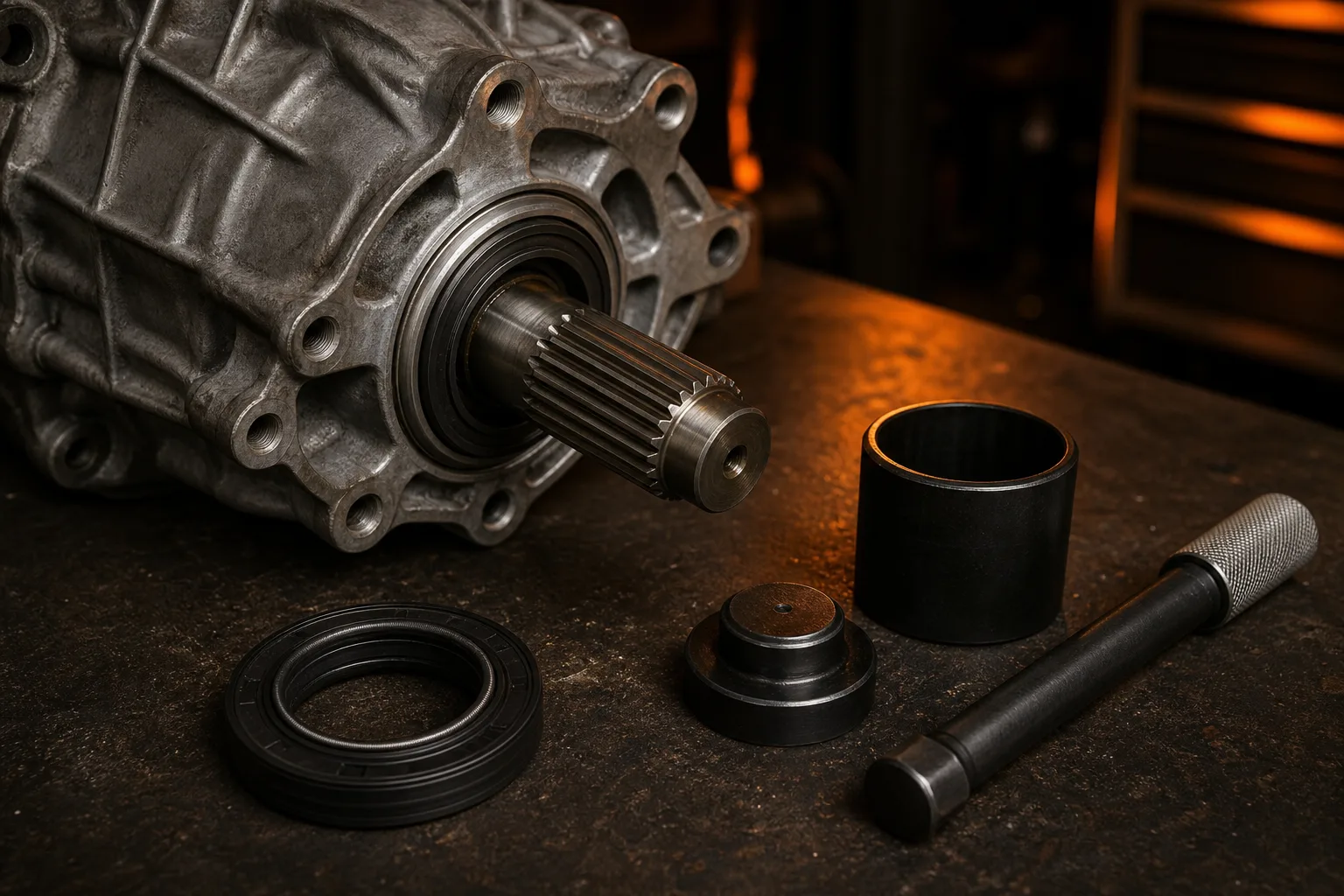
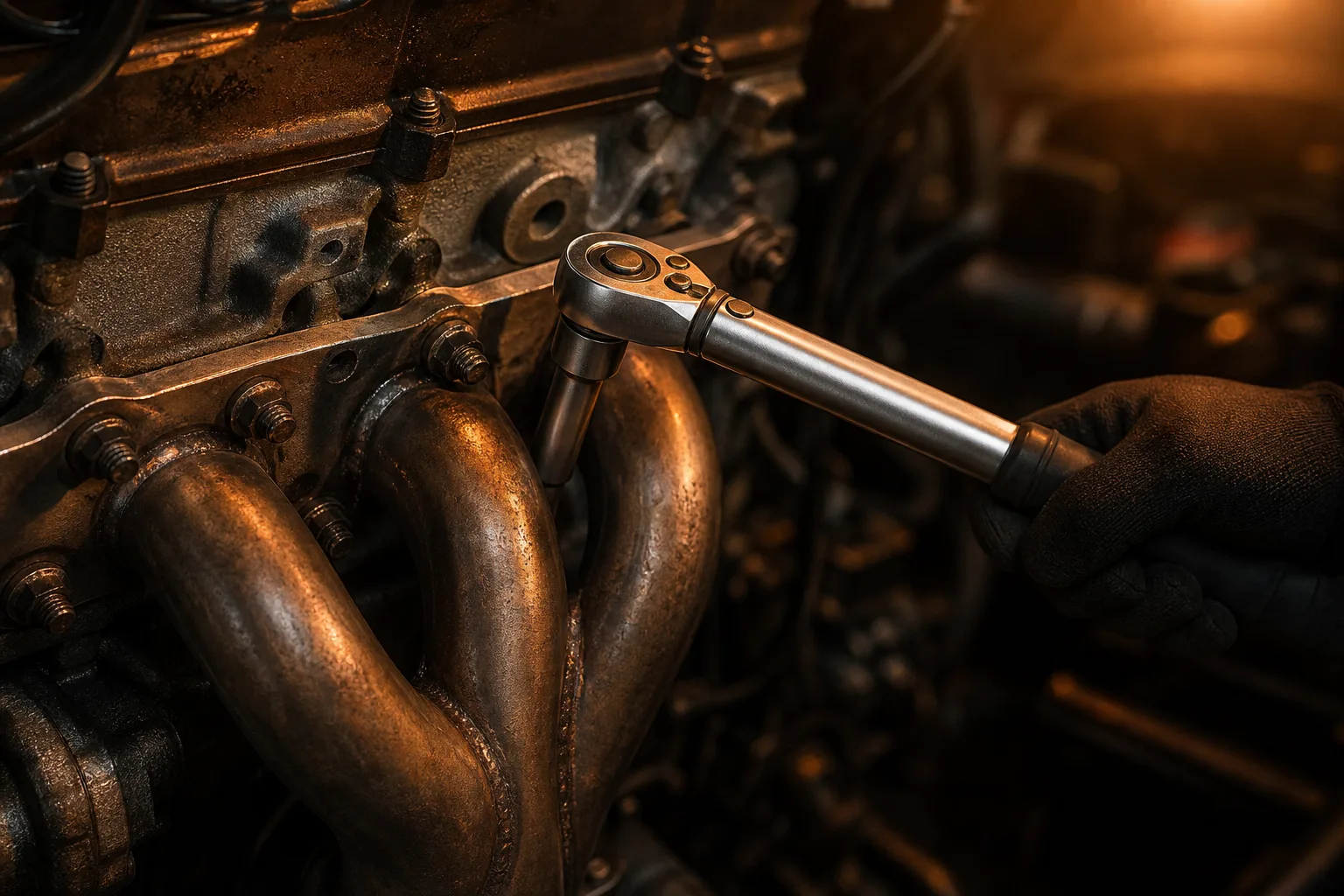
Pump removal on many engines requires timing chain access — making this an ideal candidate for documented teardown. We photograph chain alignment marks, bag fasteners by zone, and torque the pump housing to specification in the sequence listed by the manufacturer. Over-torquing distorts the housing and creates repeat leak paths; under-torquing allows micro-movement that destroys the gasket within weeks.
After installation, pressure is verified again at operating temperature before the vehicle leaves the bay. This article supports informed discussion with your technician; a physical inspection remains essential for your specific engine.